
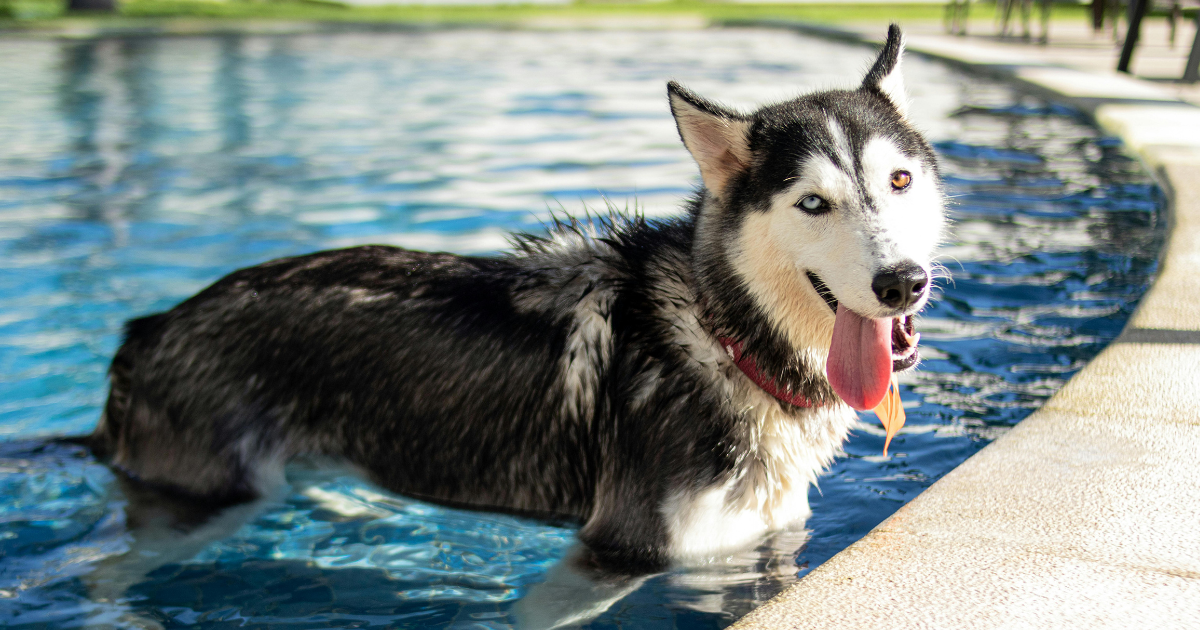
Keeping Your Pet Cool and Hydrated During the Summer
The summer months can bring a rise in temperatures that can leave us all feeling a like taking it slow is the way to go. With a spike in heat, outdoors and indoors, it's pretty much guaranteed that your pet will be feeling the effects of the summer weather too.
Keeping your pet cool and hydrated in the heat is extremely important, as pets like cats and dogs are susceptible to heat exhaustion and dehydration. Read on to find out how you can look after your pet well in the heat, and any warning signs to look out for should they be struggling.
Tips for keeping your pet cool:
1. Ice water - First and foremost, make sure that cool, clean water is easily accessible at all times. Water bowls should be placed around the house in shaded areas to keep them as cool as possible. Adding ice to their water is a good way to keep it chilled, and will help your pet to regulate their temperature better if colder water is available. For cats, consider getting a water fountain as well as regular water bowls. Water fountains have a 'flowing' or 'moving' water feature that replicate natural sources of water like streams and rivers. This encourages cats to drink regularly even when indoors, which is even more important during the heat.
2. Cooling spots - Indoors or outdoors, it's important that your pet has space in the shade to rest in; constant exposure to sun the sun/ sun-traps indoors can lead to dangerous overheating and can cause your pet to become lethargic or ill. Cooling vests, accessories, or paddling pools (where appropriate) are great ways to cool your pet down, giving them quick moments of relief from the heat. Another easy trick is to soak a small towel with water, freeze it and then lay it out for your cat, dog or rabbit to cool down on... sweet relief!!

3. Ventilation - Just like you can feel the heat and stuffiness indoors, your pet can too. Keeping curtains and blinds closed can create a cooler space, and using fan and opening windows can help with ventilation.
4. Keep walks to the morning if needed - dog owners may already know that walking your dog during peak heat in the summer is not recommended and can be very dangerous, causing your dog to overheat or develop heat exhaustion. If your dog cannot miss out on their walks (because they have too much energy to burn), there are certain things you can to to make them more bearable:
- Keep your dog walks to the early hours of the morning when the temperature is at its lowest and refrain from going on long walks that use up a lot of energy.
- Pavement test - before going on a walk, do a pavement test. Place the back of your hand onto the concrete for about 5 seconds. If it is too hot to keep your hand there, then the ground will be too hot for your dog's paws, and a walk would not be a sensible idea.
- Portable water bottles are handy to have during a dog walk, as you can keep your dog hydrated throughout, especially if they start to struggle or pant more than usual.
- If a walk would be too risky in the heat, then you can still keep your dog occupied and stimulated with treats such as yak chews or enrichment toys.
5. Freezable toys and treats - a popular and easy way to keep your pet cool during the summer. Dog treats pastes, peanut butter, yoghurt and cat treats like the Catit Creamy pastes, are ideal for freezing to make a tasty snack that not only entertains but cools. Spread over a lick mat or stuff into a KONG toy (for cats and dogs) to create and enriching, interactive toy!
Warning signs and what to do:
Recognising signs between general behaviour and heat distress/ discomfort can be life-saving when it comes to preventing heatstroke in pets.
Excessive panting, persistent thick, sticky drool, and gums that turn pale/ blueish/ bright red can all be clear signs that your pet is not coping well in the heat. For cats in particular, any panting at all is not a good sign. Equally, restlessness (like pacing) or extreme lethargy are both signs that your pet is feeling the effects of the heat.
To help:
- Move them out of the heat and into the shade
- Keep water accessible even if they are reluctant to drink at first
- Cool them gradually, and avoid ice water if they are already in distress. Similarly, avoid using wet towels if they are already overheated - this can trap the heat and hinder the cooling process.
- Contact your vet - heatstroke and heat exhaustion are conditions that should be taken seriously.
Keeping cool can be a task during the summer, but it's easy to manage if you stay aware and alert. Observing your pet for behavioural and physical changes can be the key to preventing serious heat exhaustion, and using some of the above tips can help ensure they remain comfortable and safe.

